Lovable vs Bolt vs v0 vs Replit Agent: An Honest Founder's Comparison
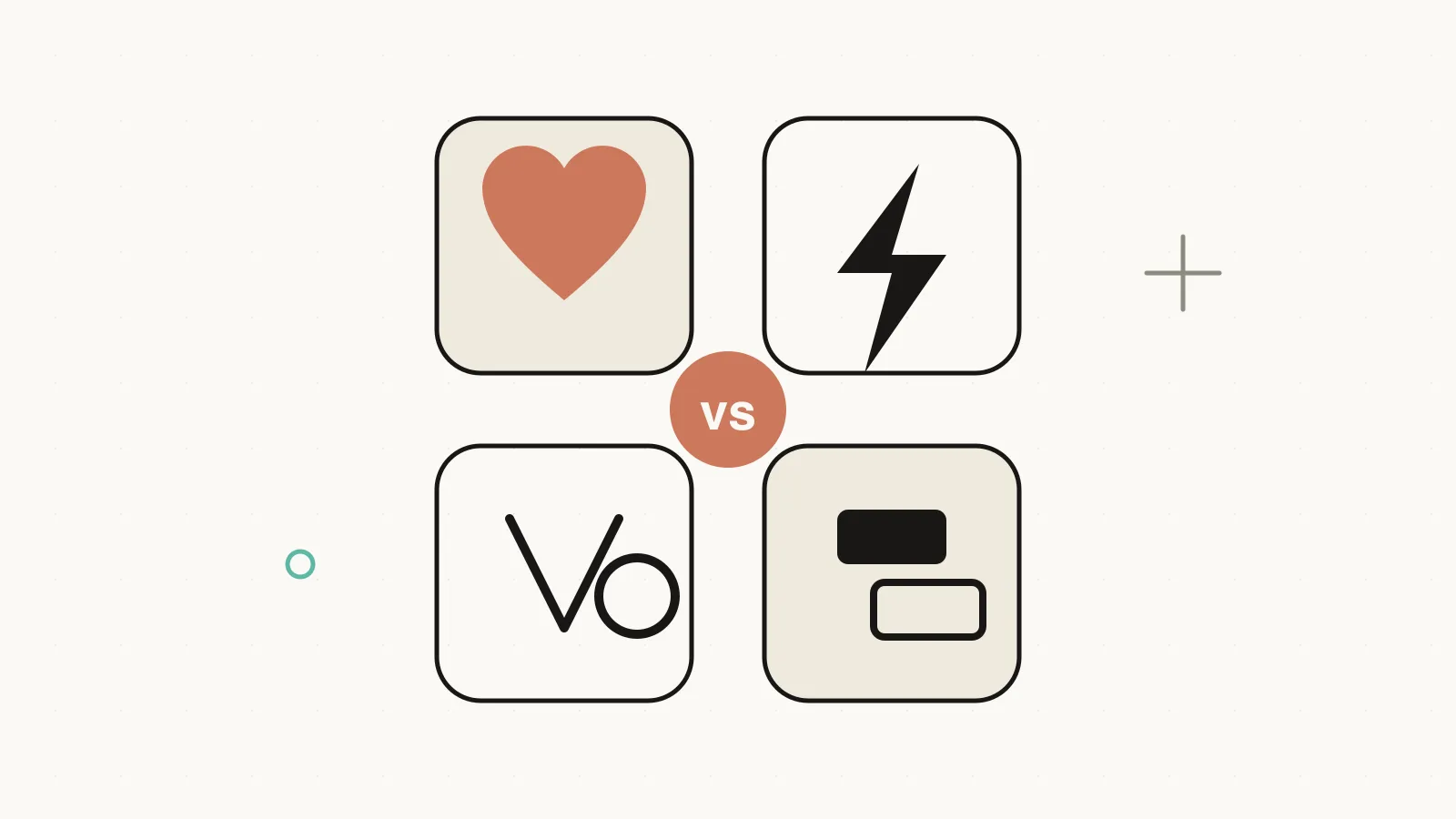
A disclosure before the comparison: we don’t sell any of these tools, and we’re not paid by any of them. We run an AI-first development agency — which means founders regularly bring us apps built with all four, some for a production audit, some after hitting a wall. That’s the vantage point of this post: not affiliate reviews, but what the output of each tool looks like when real users are about to touch it.
Short version: all four are good. Pick by what you’re building, not by tool-war threads.
The quick verdict
- Lovable — best for non-technical founders building a classic SaaS: accounts, database, dashboards. Most complete full-stack story out of the box (Supabase under the hood), exports to GitHub.
- Bolt — best for fast web experiments when you don’t mind seeing some code. Runs entirely in the browser, iterates quickly, supports a wide range of frameworks.
- v0 — best UI generation of the four. If you want a polished React/Next.js frontend and have any dev support for the backend, start here. Weakest as a complete-app builder; strongest per screen.
- Replit Agent — best all-in-one platform: editor, database, auth, and hosting in one place. The least assembly required to get something deployed and shareable.
| Lovable | Bolt | v0 | Replit Agent | |
|---|---|---|---|---|
| Best for | Full-stack CRUD SaaS | Quick web apps | UI / frontend | App + hosting in one |
| Backend story | Strong (Supabase) | Decent | Minimal | Strong (built-in DB) |
| Code access | GitHub export | In-browser editor | Copy into your repo | Full workspace |
| Comfort level needed | None | A little code helps | React helps a lot | None to some |
| Pricing model | Monthly + credits | Token-based | Monthly + credits | Plan + usage |
All four land in the same $20–$200/month bracket depending on how hard you push them. If the terminology here is new, start with our founder’s guide to vibe coding.
What we see in audits, tool by tool
Lovable produces the most complete apps of the four — which is exactly why it dominates the audit statistics. When non-technical founders ship a full-stack app with real user accounts, the misconfigurations ship too: the May 2025 audit that found ~10% of Lovable apps leaking user data (170 of 1,645) wasn’t about the tool being bad, it was about row-level security and API keys that nobody reviewed. Fuller comparison against hiring us on the Lovable page.
Bolt output is fast and framework-idiomatic, and because you can see the code, technical founders catch more issues early. The walls we see: state management that worked at demo scale, and integrations stubbed with the happy path only.
v0 produces genuinely production-grade UI — we’ve seen v0 components survive review untouched. The gap is everything behind the UI: it’s a frontend tool, and founders who treat it as an app builder end up with a beautiful shell over a missing backend.
Replit Agent gets founders deployed fastest, and its built-in database and auth remove whole categories of setup mistakes. The flip side: everything lives on one platform, so the migration story matters when you outgrow it — plan for the export early.
The part every tool comparison skips
Whichever you pick, you land in the same place: a working prototype that is roughly 70% of a production application. The remaining 30% — auth edge cases, payment failure handling, security hardening, integrations that survive rate limits, queries that survive real traffic — is not a tool feature you unlock at a higher pricing tier. It’s engineering review, and none of the four sell it.
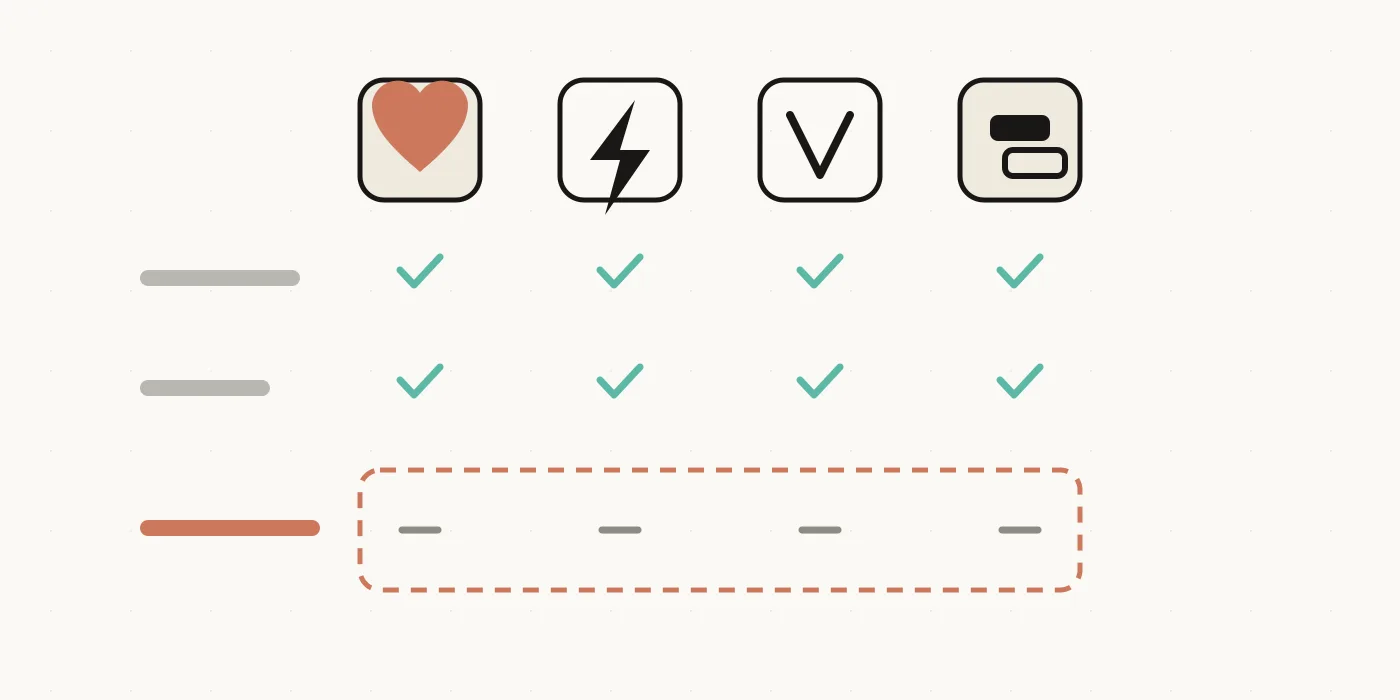
The data behind that claim — over 60% of AI-generated code containing vulnerabilities, the failure economics — is in vibe coding vs. hiring an agency. The practical version is a seven-point security checklist you can run against your app in an afternoon, whichever tool built it.
So which one should you use?
Honestly: the one that matches your project from the verdict list, used for what these tools are for — validation. Build the prototype, put it in front of users, raise on the demo if you can. Every dollar and weekend spent there is well spent, and we say that as people who charge for the alternative.
Then, when strangers are about to trust the app with data or money, treat the prototype as what it’s become: a validated spec. A $1,500 audit tells you in writing whether it can be hardened or should be rebuilt — credited toward the rebuild if so — and a free scoping call gets you a fixed production quote within 24 hours. The tools got you 70% of the way for $200. That’s a deal. Just budget for the 30% that makes it real.